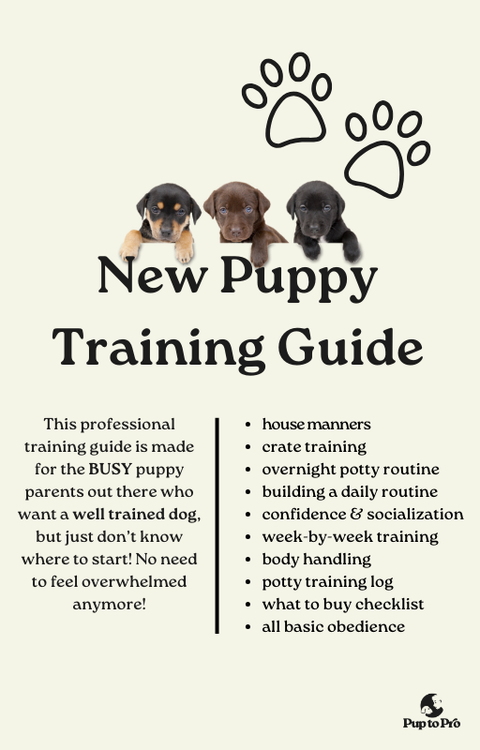
Essential Commands Every Puppy Should Learn: A Step-by-Step Guide
Training your puppy is a crucial part of their development, and certain commands are essential for ensuring their safety and proper behavior. Essential commands every puppy should learn not only establish good habits but also strengthen the bond between you and your furry friend. Start with the basics:
- Sit – This helps your puppy learn to stay calm and reduces jumping.
- Stay – A critical command that can keep your puppy safe in potentially dangerous situations.
- Come – Teaching your puppy to return to you on command can help prevent accidents and lost pets.
Once your puppy has mastered the basics, you can gradually introduce more advanced commands to enhance their training. This can be a fun and rewarding process for both you and your puppy. Consider teaching commands such as Leave it, which prevents your dog from grabbing something potentially harmful, or Heel, which encourages proper walking etiquette. Remember, consistency and patience are key; use positive reinforcement techniques like treats and praise to reinforce learning. With dedication, you'll find that these essential commands enable your puppy to grow into a well-behaved companion.
Common Puppy Behaviors and How to Correct Them: Tips for New Owners
As a new puppy owner, understanding common puppy behaviors is crucial for fostering a harmonious relationship with your furry friend. Puppies typically exhibit a range of behaviors, such as chewing, barking, and jumping, which can stem from their natural instincts and energy levels. For instance, chewing is a normal behavior for teething puppies; however, it's important to redirect this behavior to appropriate items. Providing a variety of chew toys and consistently correcting them when they gnaw on furniture can help teach your pup what’s acceptable.
Another common issue is excessive barking, which can indicate boredom, anxiety, or a need for attention. To address this behavior, it’s beneficial to engage your puppy with regular exercise and playtime, ensuring they use their energy in positive ways. If barking becomes problematic, try positive reinforcement techniques, like rewarding your puppy when they remain quiet for periods of time. Implementing these strategies early on can significantly improve your puppy's behavior and enhance your experience as a new owner.
How to Create a Positive Training Environment for Your Puppy
Creating a positive training environment for your puppy is essential for effective learning and development. Start by establishing a calm and safe space where your puppy can focus and feel secure. This can be a quiet room or a designated area in your home free from distractions. Incorporate consistent routines into your training sessions, as this helps your puppy understand what to expect and reduces anxiety. Utilizing treats or toys as rewards during training can further enhance this positive atmosphere, reinforcing good behavior and keeping your puppy motivated.
Additionally, patience and positivity are key components in nurturing a healthy training environment. Instead of scolding your puppy for mistakes, focus on redirecting their behavior towards the desired outcome. Using positive reinforcement techniques, such as cheerful praise and treats, encourages your puppy to engage and learn. Remember, training should be a fun and enriching experience for both you and your puppy, so keep sessions short and engaging to maintain their interest and enthusiasm.