Top 5 Stretching Techniques to Enhance Your Flexibility
Improving flexibility is essential for overall physical performance and injury prevention. Here are the top 5 stretching techniques that can significantly enhance your flexibility:
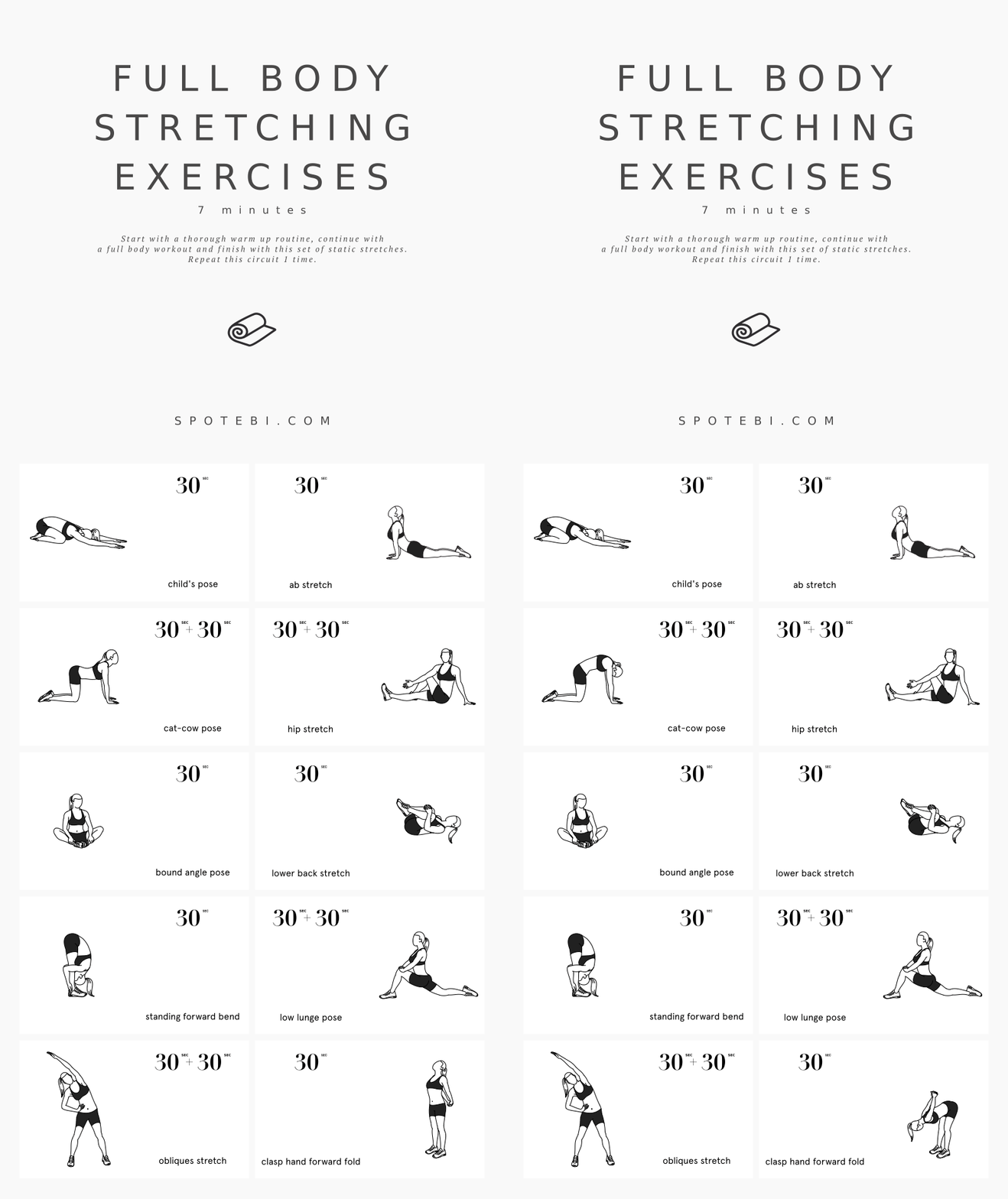
- Static Stretching: This involves holding a stretch for a prolonged period, usually between 15 to 60 seconds. It helps to lengthen the muscles and improve flexibility gradually.
- Dynamic Stretching: This technique includes controlled movements that take you through the full range of motion. Examples include leg swings and arm circles, which are particularly effective as a warm-up before more strenuous activities.
Continuing with our top 5 stretching techniques, we have:
- PNF Stretching (Proprioceptive Neuromuscular Facilitation): This advanced technique involves both stretching and contracting the muscle group being targeted, often requiring a partner for assistance. It is known to improve flexibility more rapidly.
- Yoga: Incorporating yoga into your routine can help enhance flexibility through various poses that emphasize stretching and muscle endurance. Regular practice can lead to significant improvements over time.
- Foam Rolling: While not a traditional stretching method, foam rolling can help release muscle tightness and improve blood flow, making it easier to perform other stretching techniques effectively.
The Science of Stretching: How to Maximize Your Range of Motion
Understanding the science of stretching is crucial for anyone looking to enhance their physical performance and overall well-being. Stretching is not just a mere warm-up; it involves complex physiological processes that increase range of motion and decrease the risk of injuries. When you stretch, your muscles are lengthened, and this can lead to improved flexibility and mobility. To maximize your range of motion, it’s essential to incorporate various types of stretching, including dynamic, static, and proprioceptive neuromuscular facilitation (PNF) stretches. Each of these methods has a unique impact on the muscle fibers and connective tissues, and understanding them can significantly affect your training outcomes.
To achieve the best results, it's important to stretch regularly and with proper techniques. Here are some tips to help you get started:
- Warm-Up First: Always start with a light aerobic activity to prepare your muscles.
- Hold Your Stretch: For static stretches, aim for at least 15-30 seconds to effectively elongate your muscles.
- Stay Consistent: Aim for stretching at least three times a week to gradually improve your range of motion.
- Listen to Your Body: Avoid pushing yourself too hard; stretch within a comfortable range.
Are You Stretching Correctly? Common Mistakes to Avoid
Stretching is an integral part of any fitness routine, yet many individuals fall victim to common mistakes that can hinder their progress or even lead to injury. One frequent error is not warming up adequately before stretching. Engaging in a brief warm-up, such as light jogging or dynamic movements, increases blood flow to the muscles, making them more pliable and less prone to tears. Additionally, holding stretches for too short a period can limit their effectiveness. Experts recommend maintaining each stretch for at least 15-30 seconds to elicit the desired benefits.
Another common mistake is overstretching, which can cause pain and injury. It is important to stretch to the point of mild discomfort rather than pain. Additionally, many people fail to stretch both sides of the body equally, leading to imbalances. Implementing a routine that includes bilateral stretching helps ensure that both sides of your body develop strength and flexibility symmetrically. Finally, ignoring the importance of consistency can also undermine your efforts—making stretching a regular part of your routine is crucial for long-term flexibility and injury prevention.