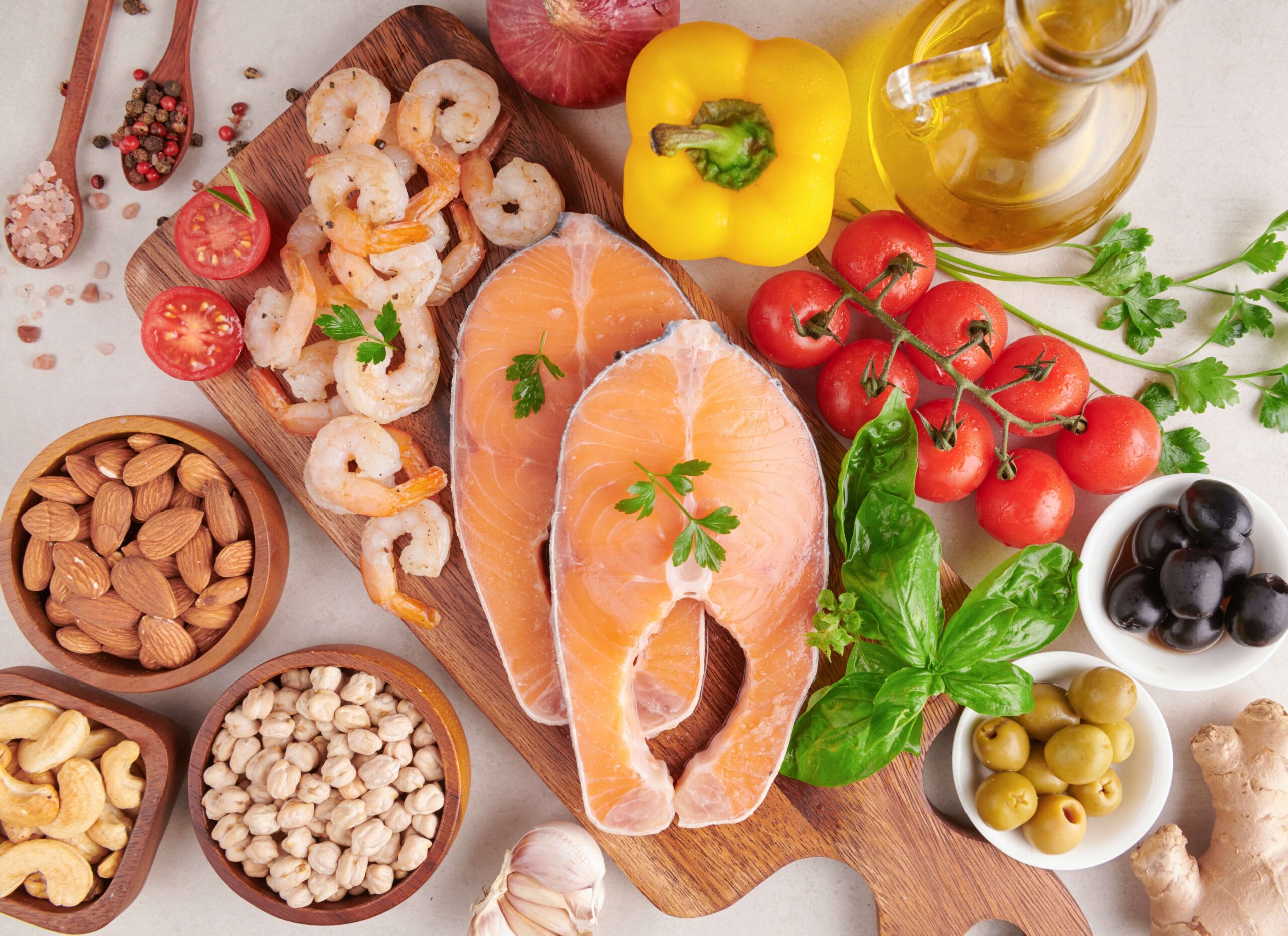
10 Essential Tips for Creating a Balanced Plate
Creating a balanced plate is crucial for maintaining overall health and well-being. Here are 10 essential tips to help you achieve this:
- Incorporate a Variety of Food Groups: Aim to include proteins, carbohydrates, and healthy fats in your meals. This ensures you receive all necessary nutrients.
- Focus on Color: A colorful plate often indicates a diverse nutrient profile. Include a rainbow of fruits and vegetables for maximum benefits.
- Control Portion Sizes: Use smaller plates to help manage portion sizes, reducing the risk of overeating while still allowing for a balanced meal.
- Prioritize Whole Foods: Choose whole grains, lean proteins, and fresh produce over processed options that are high in refined sugars and unhealthy fats.
- Stay Hydrated: Don’t forget to drink water throughout the day. Proper hydration plays a key role in digestion and overall health.
Making small changes to your eating habits can create significant improvements. Consider the following:
- Listen to Your Body: Pay attention to hunger and fullness cues. Eating mindfully can help you build a better relationship with food.
- Experiment with Healthy Fats: Incorporate sources of healthy fats such as avocados, nuts, and olive oil, which can enhance flavor and promote satiety.
- Limit Sugary Drinks: Choose water, herbal teas, or infused water instead of sugary sodas or juices to keep your beverage choices balanced.
- Plan Your Meals: Meal planning helps ensure balanced nutrition throughout the week and reduces the temptation to grab unhealthy snacks.
- Seek Professional Guidance: If in doubt, consult a nutritionist who can provide personalized advice tailored to your individual health goals.
How to Choose the Right Portions for a Healthy Diet
Choosing the right portions is essential for maintaining a healthy diet. Start by understanding the concept of serving sizes, which can differ between food types. A useful method to gauge portion sizes is using your hands: a serving of protein should be about the size of your palm, and carbohydrates like rice or pasta should be roughly the size of a fist. Incorporating fruits and vegetables into your meals is equally important; aim for half your plate to be filled with these nutrient-dense foods. Additionally, using smaller plates can help control portion sizes and prevent overeating.
Another crucial strategy in choosing the right portions is to listen to your body's hunger cues. Eating slowly and mindfully allows you to tune into feelings of fullness, which can help you avoid consuming unnecessary calories. Consider keeping a food diary to track not just what you eat, but also the portion sizes you consume. This practice can help you make more informed choices as you work towards a balanced diet. Remember, it's not about strict dieting, but rather about finding the right portions that nourish you while supporting your overall health.
What Does a Balanced Plate Look Like for Optimal Nutrition?
A balanced plate is essential for optimal nutrition and helps ensure that your body receives all the necessary nutrients it needs to function effectively. A visually appealing and nutritionally sound plate typically consists of a variety of food groups, each contributing unique vitamins and minerals. To create this balance, consider using the plate method: fill half of your plate with fruits and vegetables, giving preference to colorful choices such as leafy greens, berries, and orange carrots. The remaining half should be divided into two sections—one for lean proteins like poultry, fish, or legumes, and the other for whole grains like brown rice, quinoa, or whole-grain pasta.
In addition to the components mentioned, it's crucial to incorporate healthy fats into your balanced plate for sustained energy and improved heart health. Avocado, nuts, and olive oil are excellent sources of healthy fats and can be used as dressings or toppings. Remember, portion sizes play a significant role in achieving optimal nutrition. Using smaller plates can help manage portion control and prevent overeating. By understanding what a balanced plate looks like, you can make informed food choices that nourish your body and promote overall well-being.